
Functional Endoscopic Sinus Surgery
FESS
Functional sinus surgery is a specialised surgical procedure designed to restore normal sinus drainage and improve nasal function. It is commonly performed to treat chronic sinus conditions, nasal obstruction, recurrent infections, and inflammation that has not responded to appropriate medical management. The goal of surgery is to improve sinus ventilation, reduce symptoms, and support long-term respiratory health.
Sinuses are air filled cavities located within the bones of the face and skull, including the forehead, between the eyes, within the cheeks, and deeper within the skull base. These spaces are connected to the nasal passages through small drainage pathways that allow normal mucus clearance and ventilation.
When these drainage pathways become blocked due to inflammation, polyps, structural variation, or infection, mucus can accumulate and lead to sinusitis. This may result in symptoms such as nasal congestion, facial pressure, headaches, post-nasal drip, or recurrent infections. In some patients, anatomical factors such as a deviated nasal septum or nasal polyps (benign swelling of the sinus lining) can contribute to persistent symptoms. Where appropriate, surgical treatment may be recommended to restore sinus function and reduce symptoms.
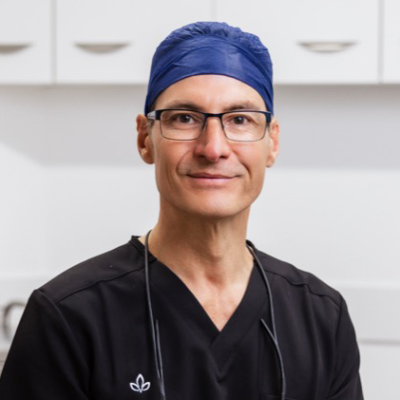
Dr Jason Oates, specialising as an Otolaryngologist (Head and Neck Surgeon) since 1999, completed further training internationally to gain experience and further expand his knowledge, skill, and technique.
CONSULTATION
Undergoing a surgical procedure is a serious decision, and requires careful consideration. The consultation process provides patients an opportunity to have a detailed discussion with Dr Oates, and gain a better understanding of the procedure, potential risks, post operative recovery and possible outcomes.
BENEFITS
Functional Endoscopic Sinus Surgery
Improved Sinus Function
Functional sinus surgery helps restore normal sinus drainage and airflow. By addressing blockages caused by inflammation, polyps, or structural issues, it can reduce sinus infections, congestion, and related discomfort.
Relief from Chronic Sinus Symptoms
Surgery can relieve persistent or recurrent symptoms such as facial pressure, headaches, post-nasal drip, and nasal obstruction, particularly where medical management alone has not been sufficient.
Long-lasting Results
While individual experiences may vary, the benefits of functional sinus surgery are generally long-lasting. Proper post-operative care and ongoing management can help maintain clear sinuses and reduce the likelihood of future infections.
Expert Care
Choosing an experienced ENT surgeon is essential for optimal outcomes. Dr Oates provides personalised assessment, meticulous surgical technique, and compassionate support throughout your sinus treatment journey.
IDEAL FOR
Ideal candidates for functional sinus surgery are generally healthy individuals who have persistent or recurrent sinus symptoms despite appropriate medical management. Realistic expectations about symptom improvement and recovery are important for achieving a satisfactory outcome.
Functional sinus surgery may be considered for individuals who experience:
**Results may vary from person to person
PROCEDURE
For functional sinus surgery, Dr Oates operates at Subiaco Private Hospital under general anesthesia, with patient safety and comfort as a top priority.
During the procedure, Dr Jason Oates uses minimally invasive techniques, typically employing endoscopic equipment to access the sinuses through the nasal passages. This allows precise removal of blockages, polyps, or diseased tissue, and correction of any structural factors contributing to impaired sinus drainage.
All treated areas are carefully managed to preserve normal nasal and sinus function, and no external incisions are usually required. Post operatively, Dr Oates ensures the nasal passages and sinuses are properly cared for, supporting recovery and reducing the risk of infection or recurrence.
Frequently Asked
Questions
Functional Endoscopic Sinus Surgery (FESS)
Undergoing a surgical procedure is a serious decision and requires careful consideration.
The consultation process provides patients with an opportunity to have a detailed discussion with Dr Jason Oates about their sinus concerns, the recommended procedure, potential risks, post operative recovery, and expected outcomes.
In some cases, Dr Oates may perform a Nasendoscopy during the consultation. This allows him to examine the inside of the nasal passages and sinuses in real time, helping to better assess the underlying anatomy and determine the most appropriate treatment plan for each patient.
Dr Jason Oates performs functional sinus surgery at Subiaco Private Hospital under general anaesthesia. Using minimally invasive endoscopic techniques, he accesses the sinuses through the nasal passages to remove blockages, polyps, or diseased tissue, and correct structural factors affecting drainage.
This approach preserves normal nasal function and usually does not require external incisions. Post-operative care is tailored to support healing, reduce swelling, and optimise sinus function.
Following functional sinus surgery, it is important for patients to follow the comprehensive post operative instructions provided by Dr Oates and or his Nursing team. Appointments are scheduled at regular intervals to monitor healing and provide ongoing care.
Patients may experience:
- Nasal congestion or blockage, similar to having a cold, due to internal swelling.
- Mild nasal bleeding or discharge.
- Facial pressure or mild discomfort, particularly in the cheeks, forehead, or around the eyes.
These are normal parts of the healing process. Patients are advised to contact the practice if they have concerns or experience unexpected symptoms.
Most sinus surgery patients do not require external splints or bandages, but may have dissolvable internal packing or splints in place for a few days to support healing.
Functional sinus surgery is considered minimally invasive, but Dr Oates generally recommends up to 2 weeks off work for recovery, depending on the extent of surgery and the patient’s work demands. Strenuous activity should be avoided for the first 2 weeks or as advised.
All functional sinus surgery is invasive and carries potential risks.
The purpose of this information is to provide realistic, educational guidance about the risks associated with sinus surgery. Patient-specific risks will be discussed in detail during the consultation to ensure each patient is fully informed before deciding to proceed.
Risks of Functional Sinus Surgery
- Nasal congestion or persistent blockage
- Bleeding from the nose (epistaxis)
- Infection
- Pain or discomfort
- Scarring of the nasal passages or sinuses
- Numbness or altered sensation
- Incomplete relief of symptoms or need for further surgery
- Adhesions or scar tissue forming inside the nose
- Changes in sense of smell
- Rare complications such as cerebrospinal fluid leak or orbital injury
Risks of Anaesthetic
Any procedure requiring anaesthesia carries risks.
Common risks include:
- Nausea and vomiting
- Sore throat
Rare risks include:
- Damage to teeth or vocal cords
- Allergic reactions
- Blood clots
- Aspiration of gastric contents
- Respiratory or heart problems
- Death (extremely rare)
SURGICAL
TREATMENT INFORMATION
Consultation
Undergoing a surgical procedure is a serious decision, and requires careful consideration. The consultation process provides patients an opportunity to have a detailed discussion with Dr Oates, and gain a better understanding of the procedure, potential risks, post operative recovery and possible outcomes.
Before proceeding, you should seek a second opinion from an appropriately qualified health practitioner.
RESEARCH YOUR OPTIONS
We invite you to explore our website to gain a deeper understanding of the procedure you are considering to help you make informed decisions about your health and wellbeing.
DO YOU NEED A MEDICAL REFERRAL TO SEE DR JASON OATES?
Ensuring optimal patient care and safety is our priority at Academy Face and Body. We require all patients to obtain a GP referral before their consultation.
Without a valid referral, patients will be unable to attend a consultation.
We kindly ask that you send your referral to our reception team in advance of your consultation. Please note that Medicare rebates cannot be claimed without a recent and valid Medical Referral. Your cooperation in this matter helps us maintain the highest standards of care and support for every patient.
Enquire Now
Connect with us for personalised assistance and support across our comprehensive range of services.
Leave us a message and we will get back to you as soon as possible.
For appointment changes, please call the clinic.
"*" indicates required fields

Schedule a consultation
consultation
If I am interested in cosmetic surgery, what now?
Your first step is an initial consultation with Dr Oates. During the consultation process, patients have the opportunity to gain a better understanding of the procedure, potential risks, post operative recovery and possible outcomes.
In accordance with AHPRA guidelines, we require all surgical patients, both medical and cosmetic, to obtain a GP referral before their consultation.
Complimentary Consultations
If you would prefer to explore our non-surgical aesthetic and dermal therapy treatments, we welcome you to schedule a complimentary consultation with one of our Dermal Therapists or Registered Nurses.